Ocean Data Specialists

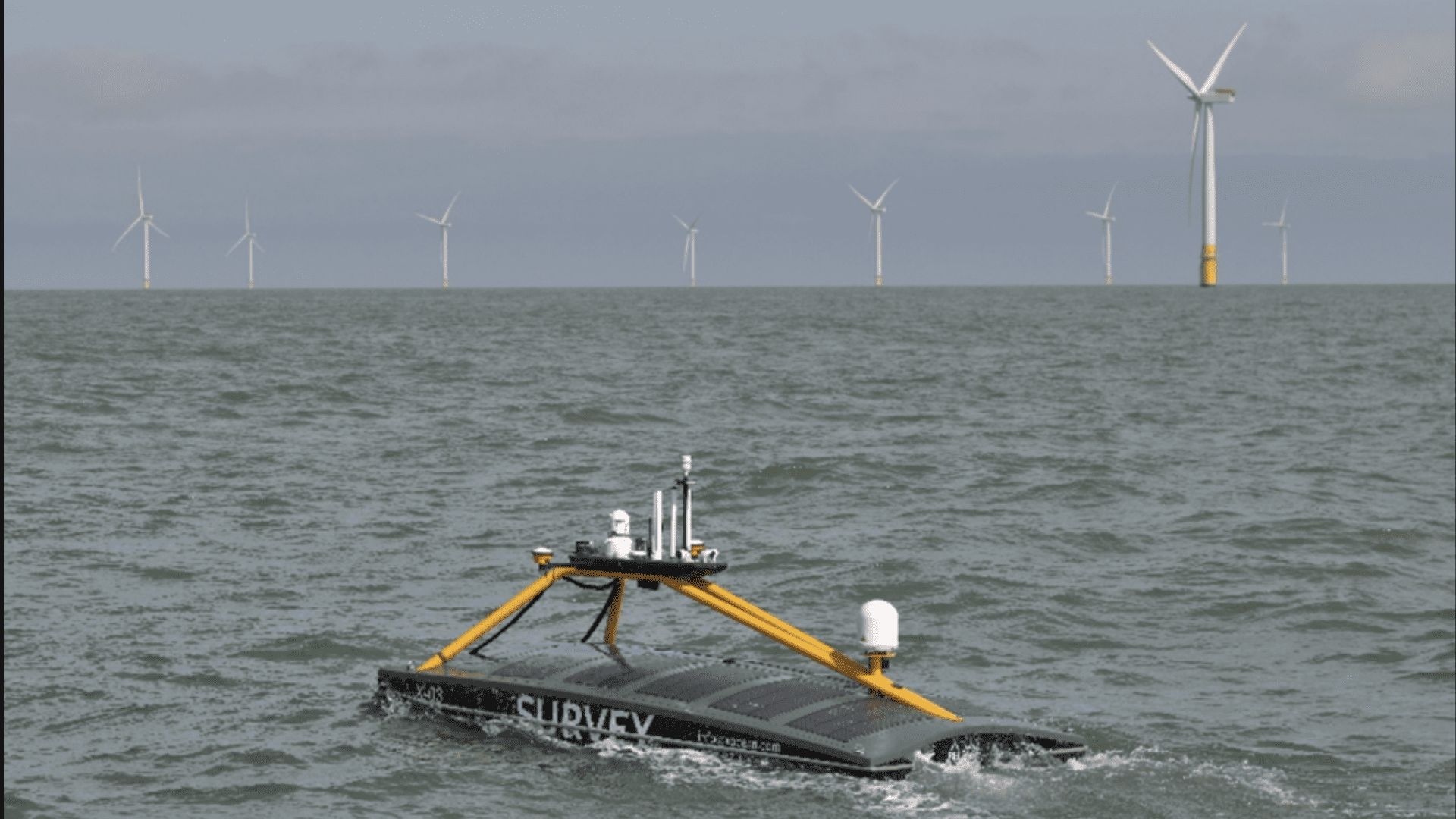
XOCEAN delivers critical insights into seabed, sub-seabed, and environmental conditions through an innovative approach to ocean data collection. Leveraging a fleet of Uncrewed Surface Vessels (USVs), we operate offshore for extended periods, continuously harvesting vast volumes of high-quality ocean data.

Offshore Wind

Offshore Wind relies on accurate seabed data to support informed decision-making throughout a project’s lifecycle, enabling the safe and sustainable development of renewable energy infrastructure at sea.
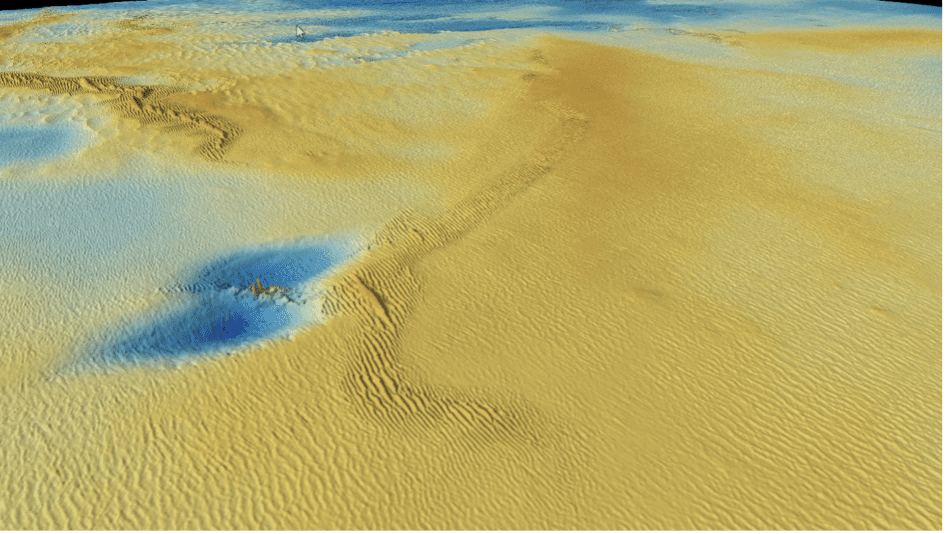
Seabed Characterisation
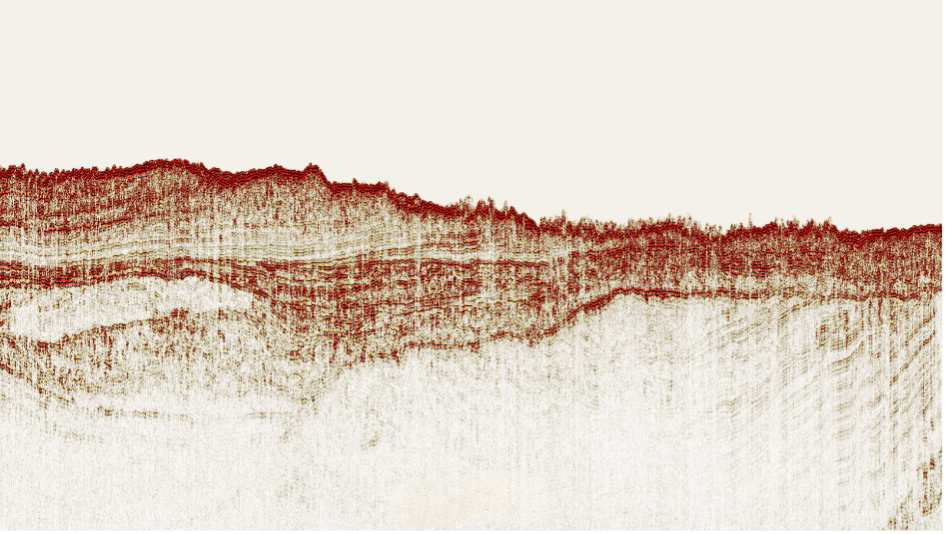
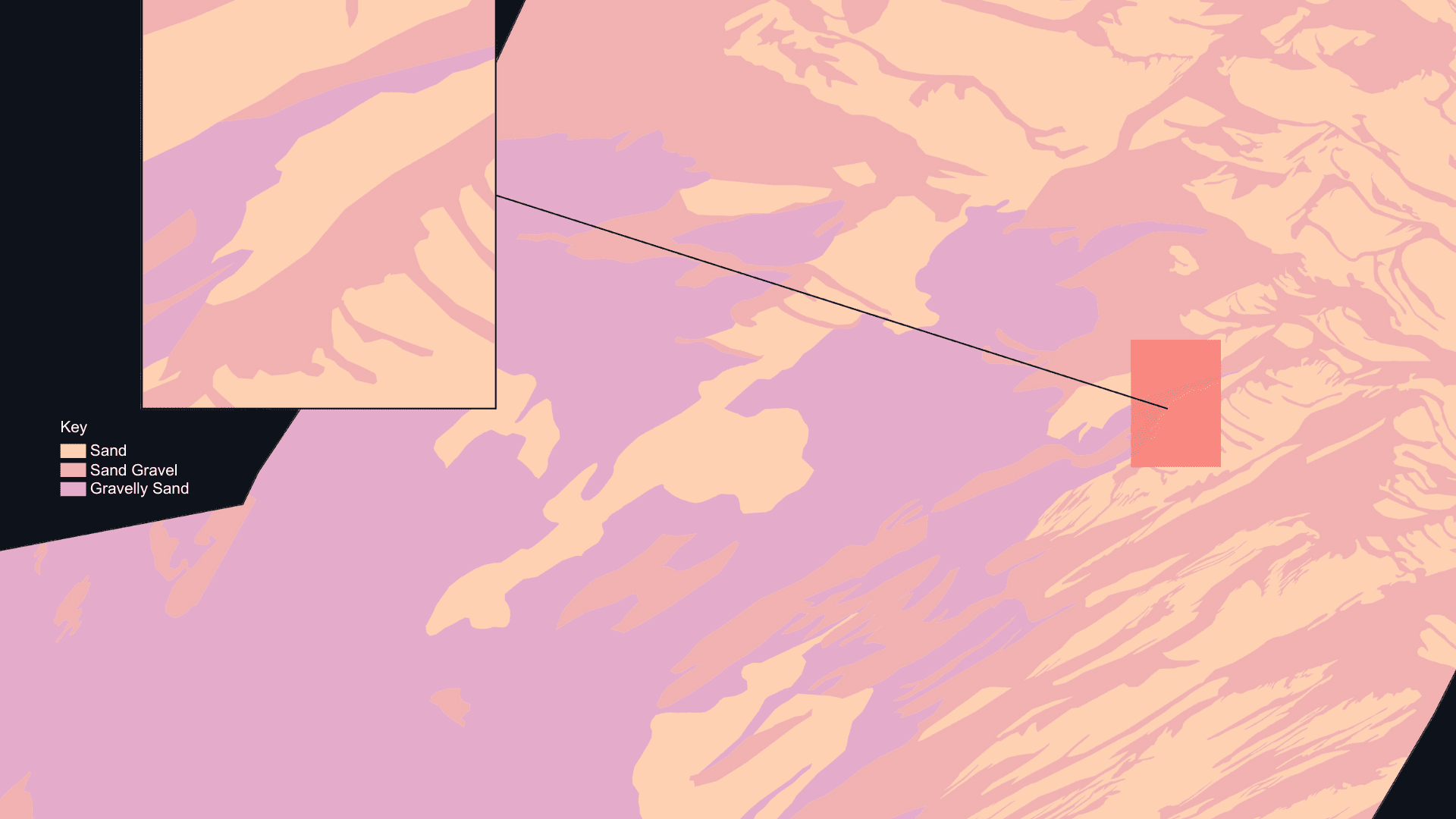
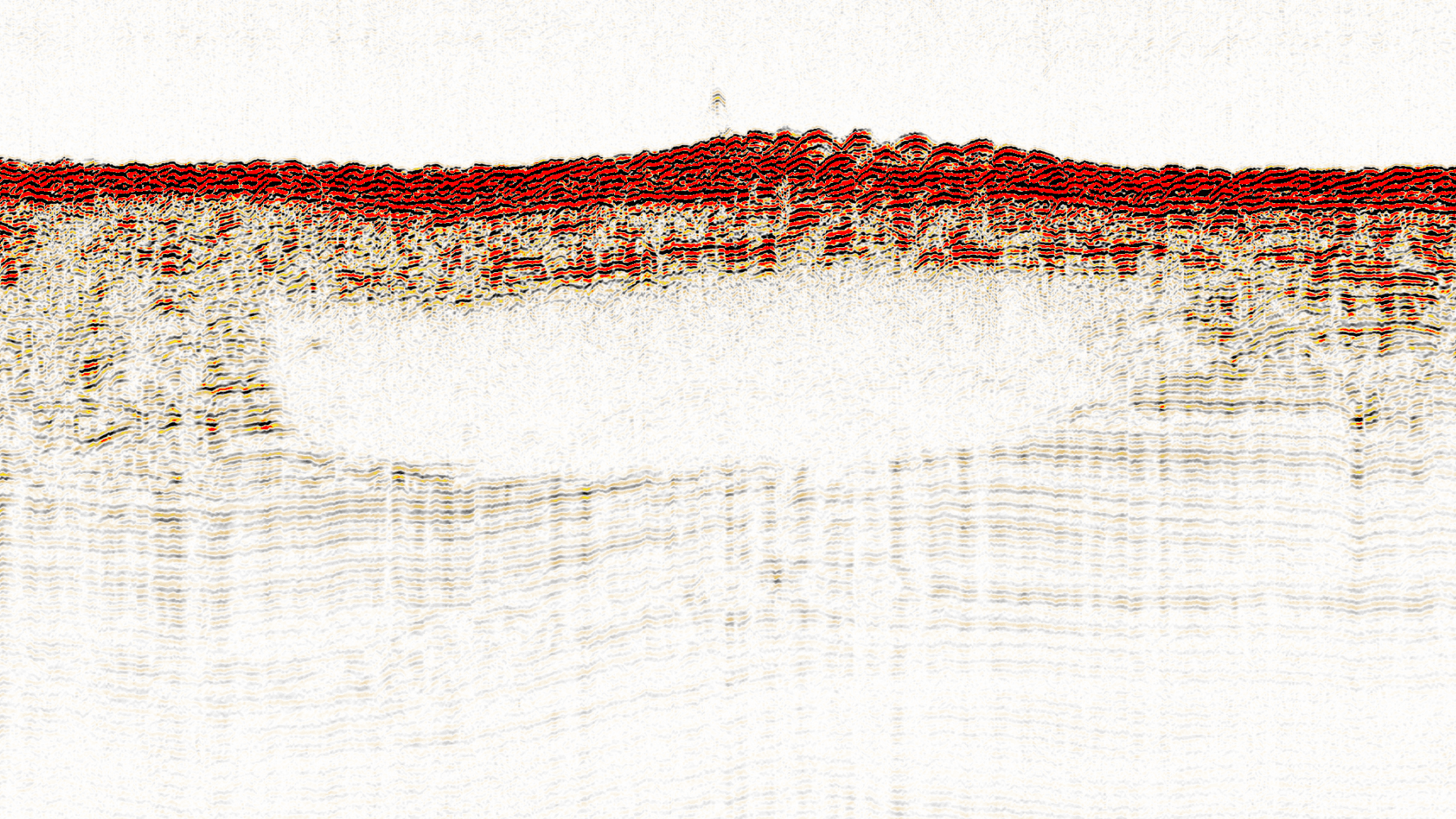
A Seabed Characterisation Survey is performed to assess the geological and ecological conditions of the ocean floor, which are critical for safe infrastructure development.

Geo-Hazard Assessment

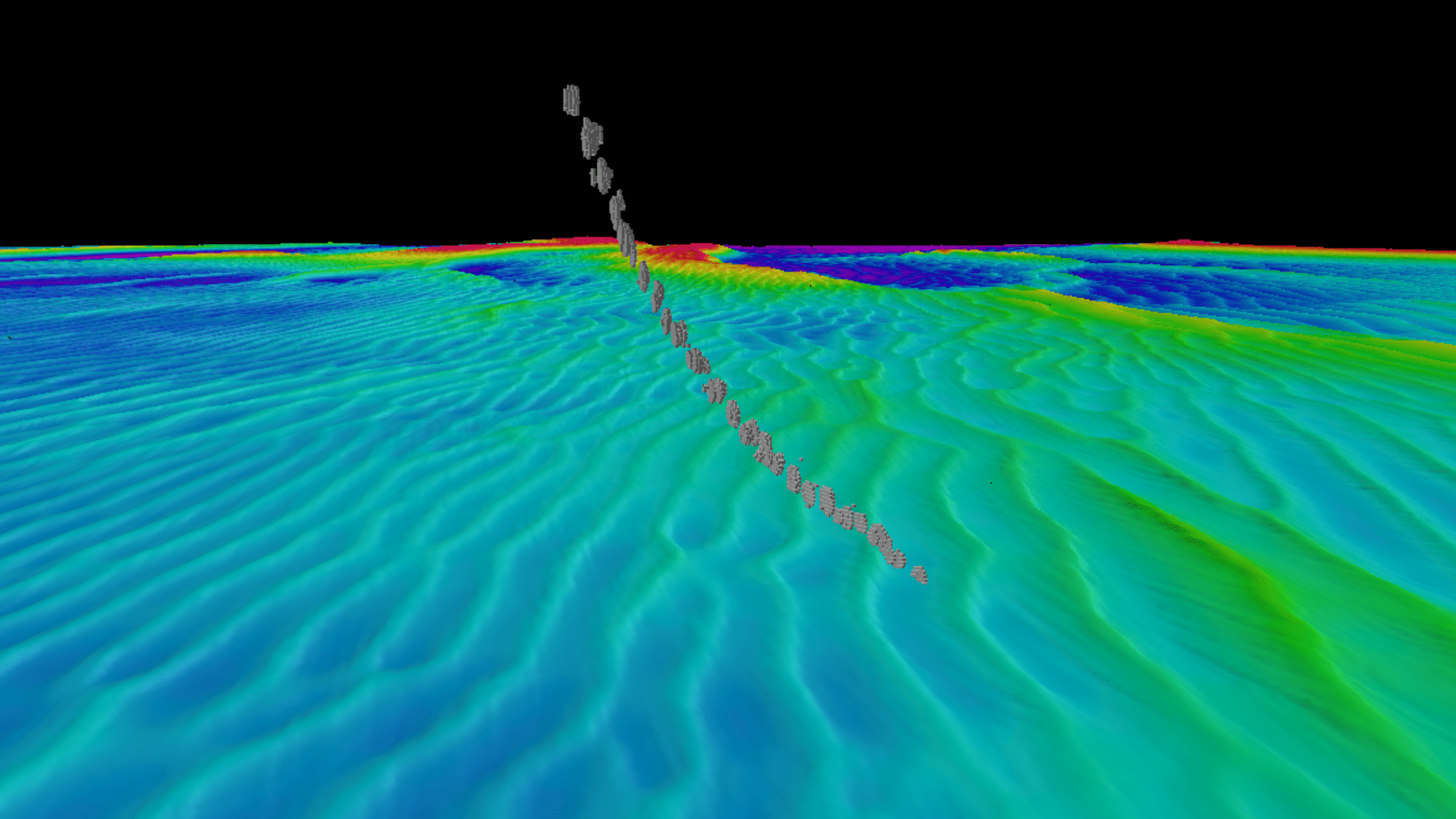
A Geo-Hazard Assessment is performed to detect and evaluate geological risks, such as unstable slopes or seismic activity, that may threaten construction or operational safety.

Morphological Seabed Assessment

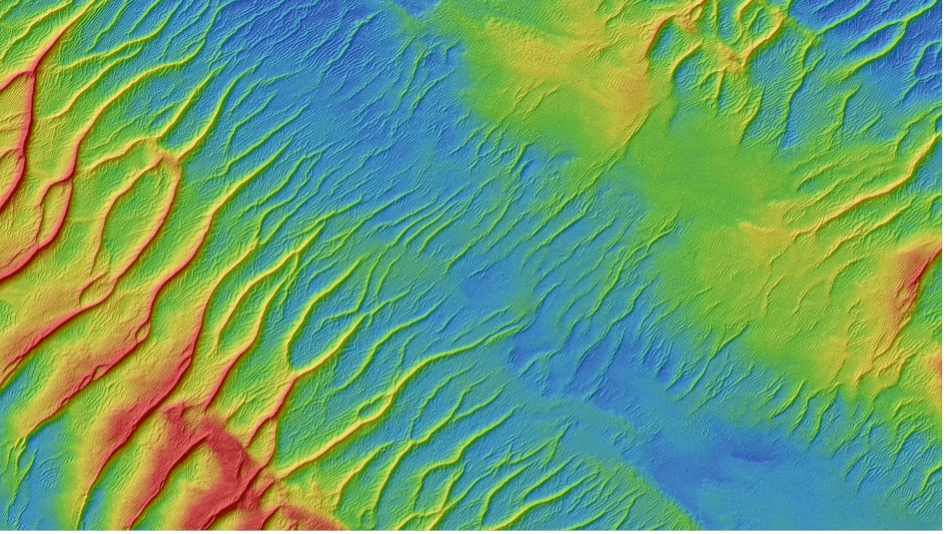
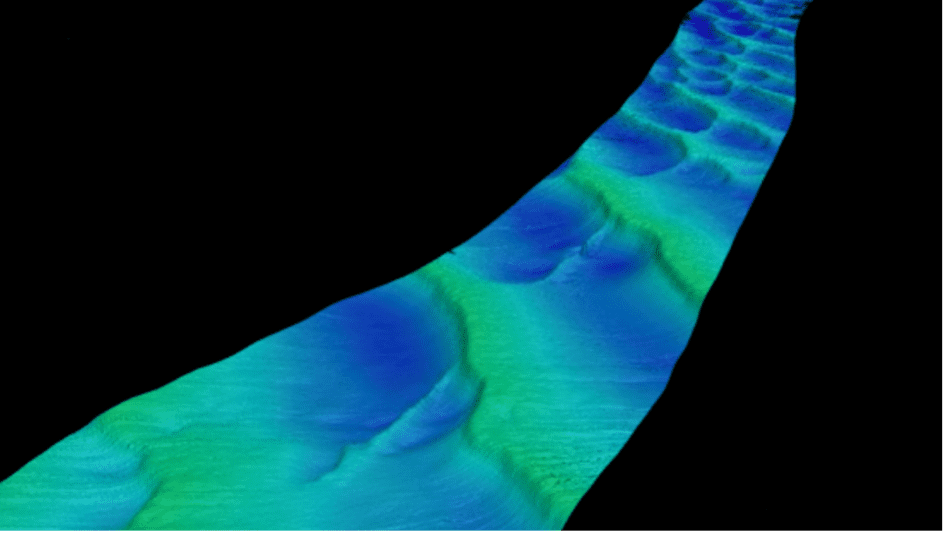
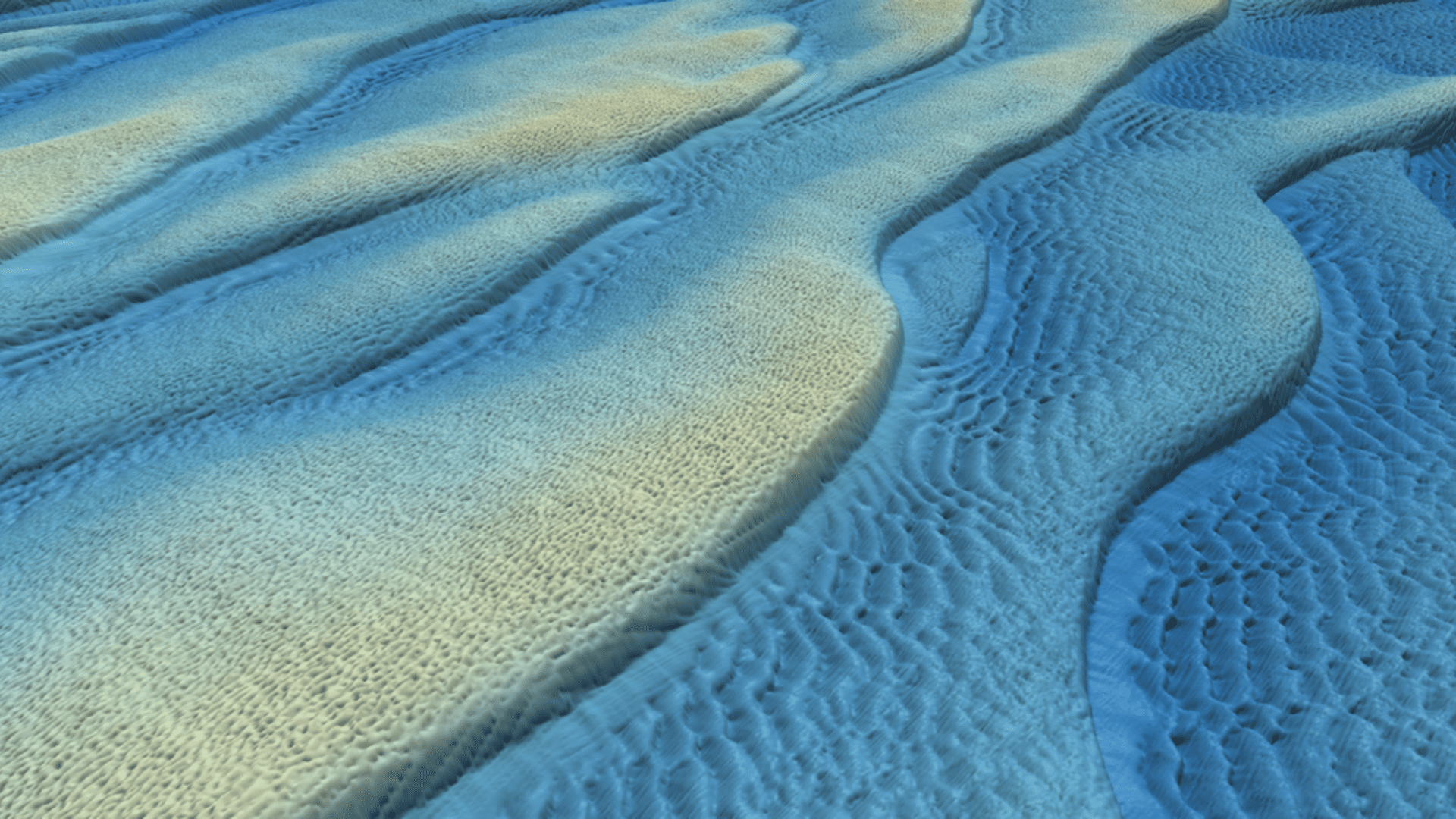
A Morphological Seabed Assessment is conducted to analyse changes in seabed topography, such as sediment transport or erosion, which can impact marine infrastructure and ecosystems.

XOCEAN surveys provide detailed information about the site conditions and help to mitigate risks throughout the construction process.
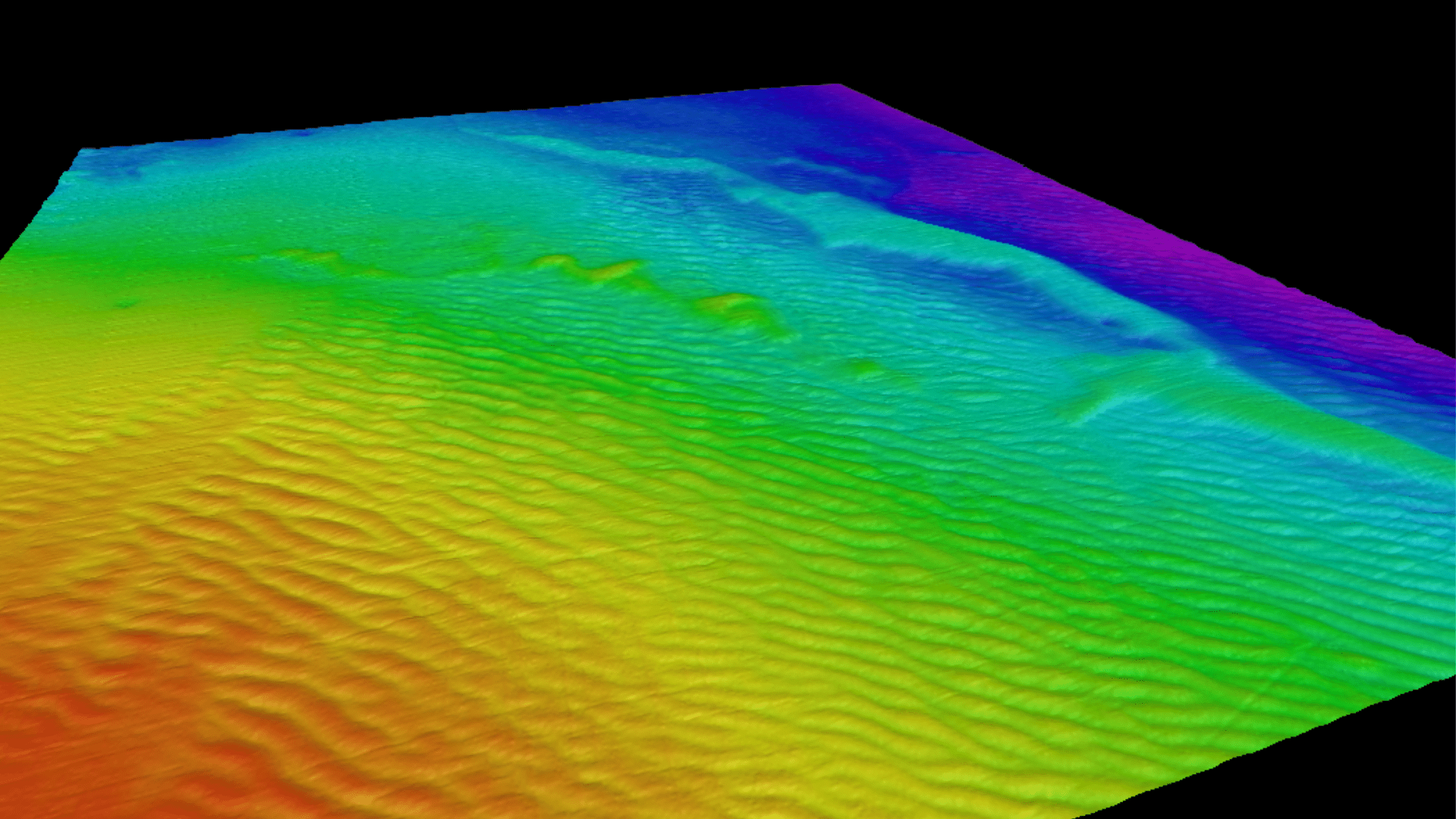
Pre Foundation Installation survey
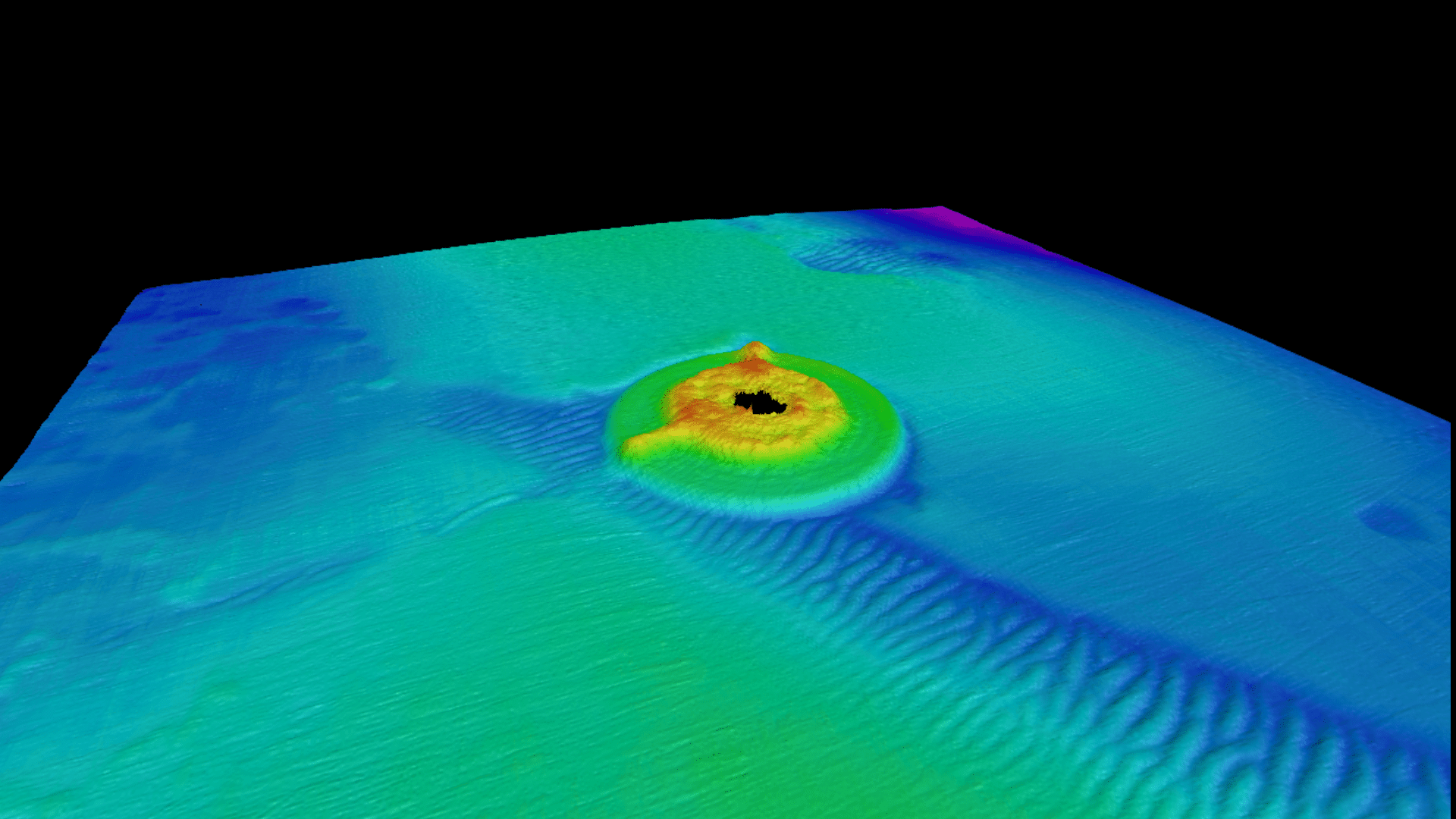
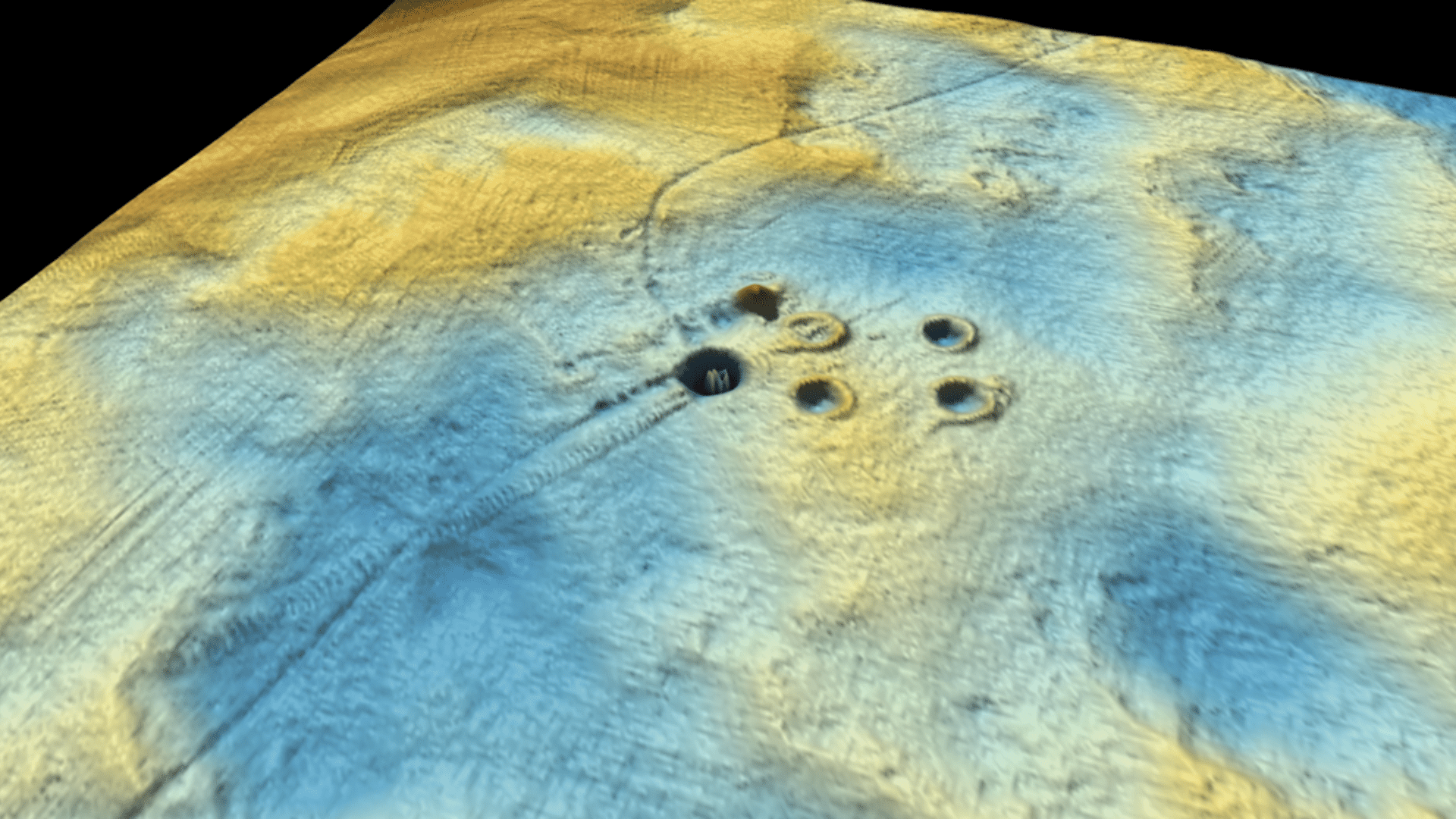
A Pre-Foundation Installation survey is performed to assess the seabed's stability and identify potential hazards, ensuring the safe and accurate placement of offshore foundations. It minimises risks during construction and helps prevent future structural failures or costly repairs.

Post Foundation Installation survey

A Post-Foundation Installation survey is performed to verify the accurate placement and stability of foundations, ensuring they meet design specifications. It also helps detect any immediate issues, such as seabed disturbances, that could affect long-term structural integrity.

Debri Clearance survey

A Debris Clearance survey is performed to identify and remove underwater obstructions, such as discarded materials or wreckage, that could pose risks to marine construction, navigation, or ecosystem health.

Depth of burial surveys

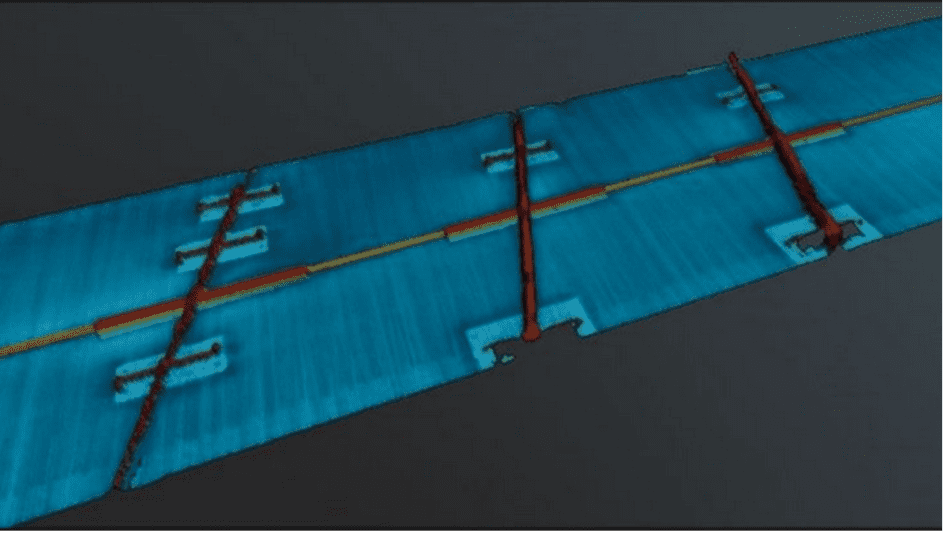
A Depth of Burial survey is performed to confirm that underwater cables or pipelines are buried at safe and appropriate depths to protect them from damage by anchors, trawling, or seabed erosion.

XOCEAN’s surveys play a crucial role in the operation and maintenance (O&M) of offshore wind farms, ensuring long-term performance, safety, and reliability.
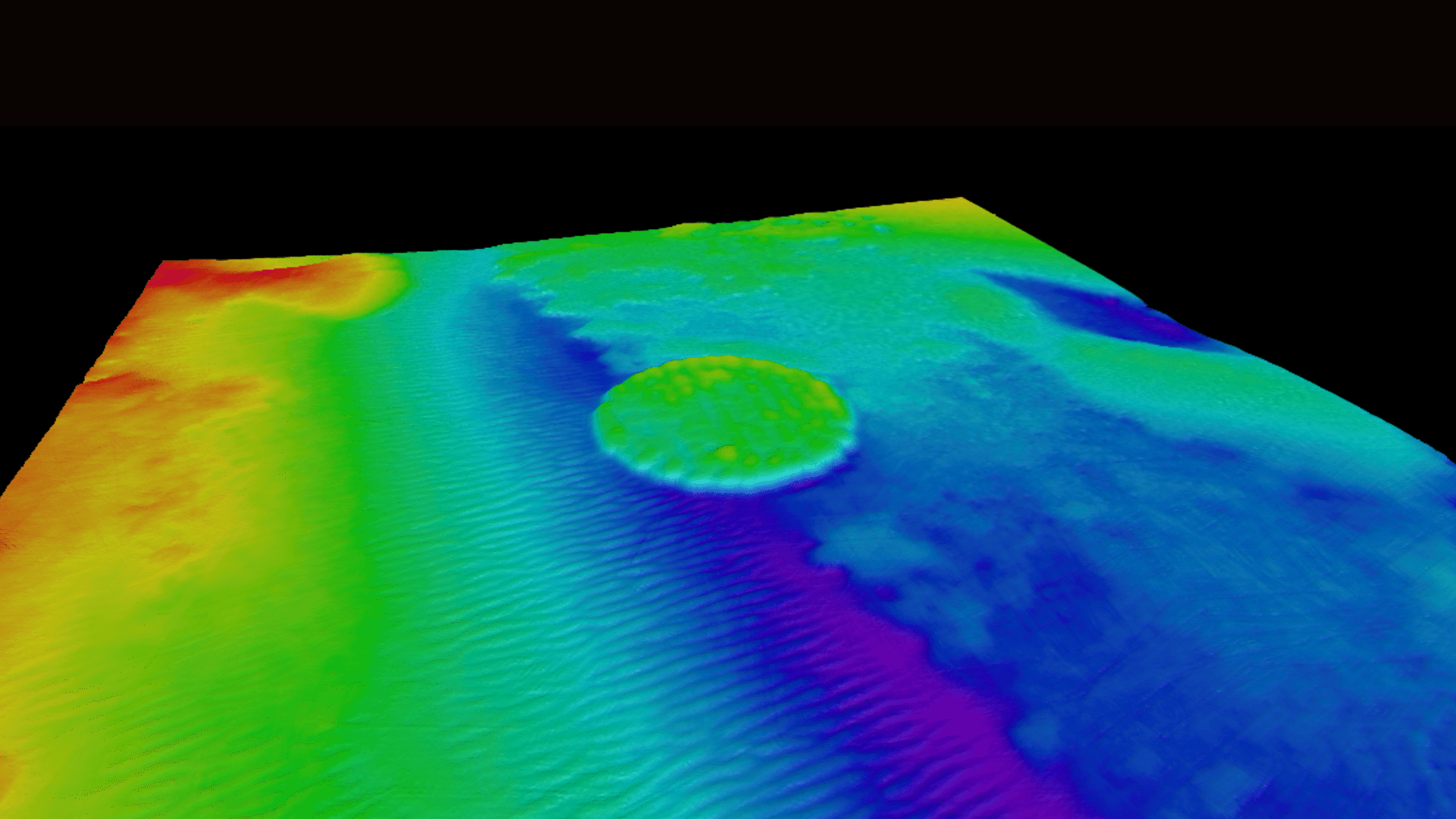
Pre-Jack Up Debris Clearance Surveys
A Pre-Jack Up Debris Clearance survey is performed to identify potential hazards that could impede Jack-Up operations and risk subsea assets.

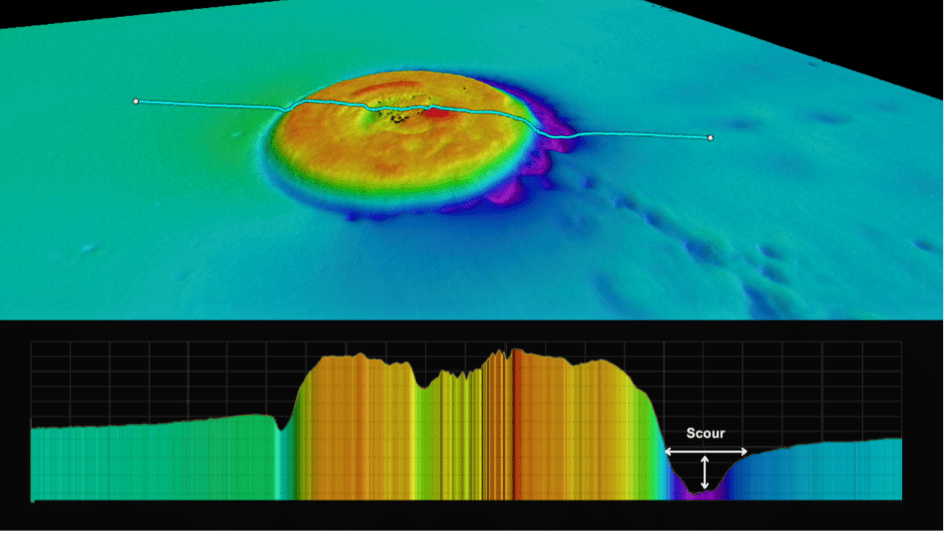
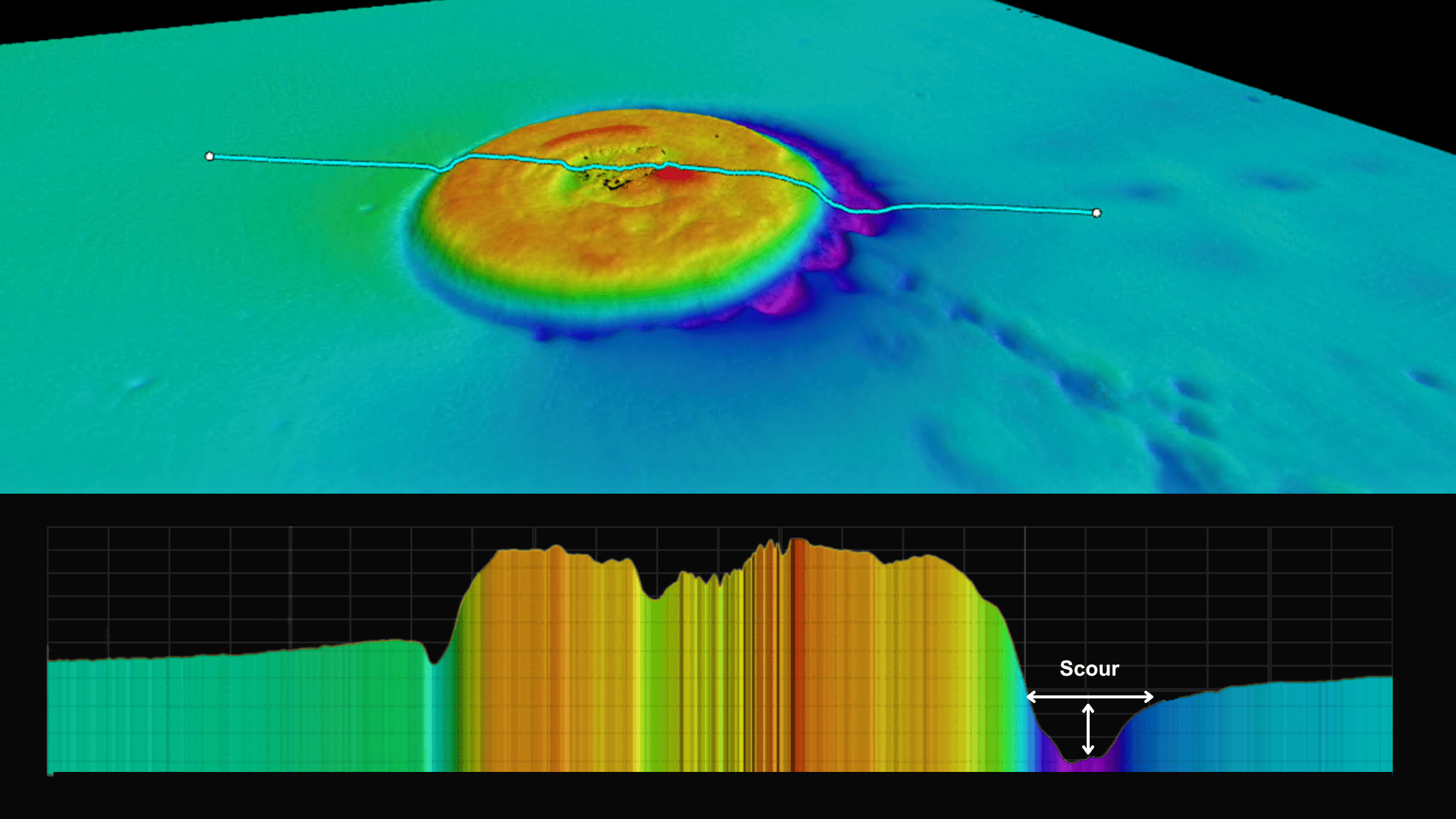
Scour Condition Monitoring

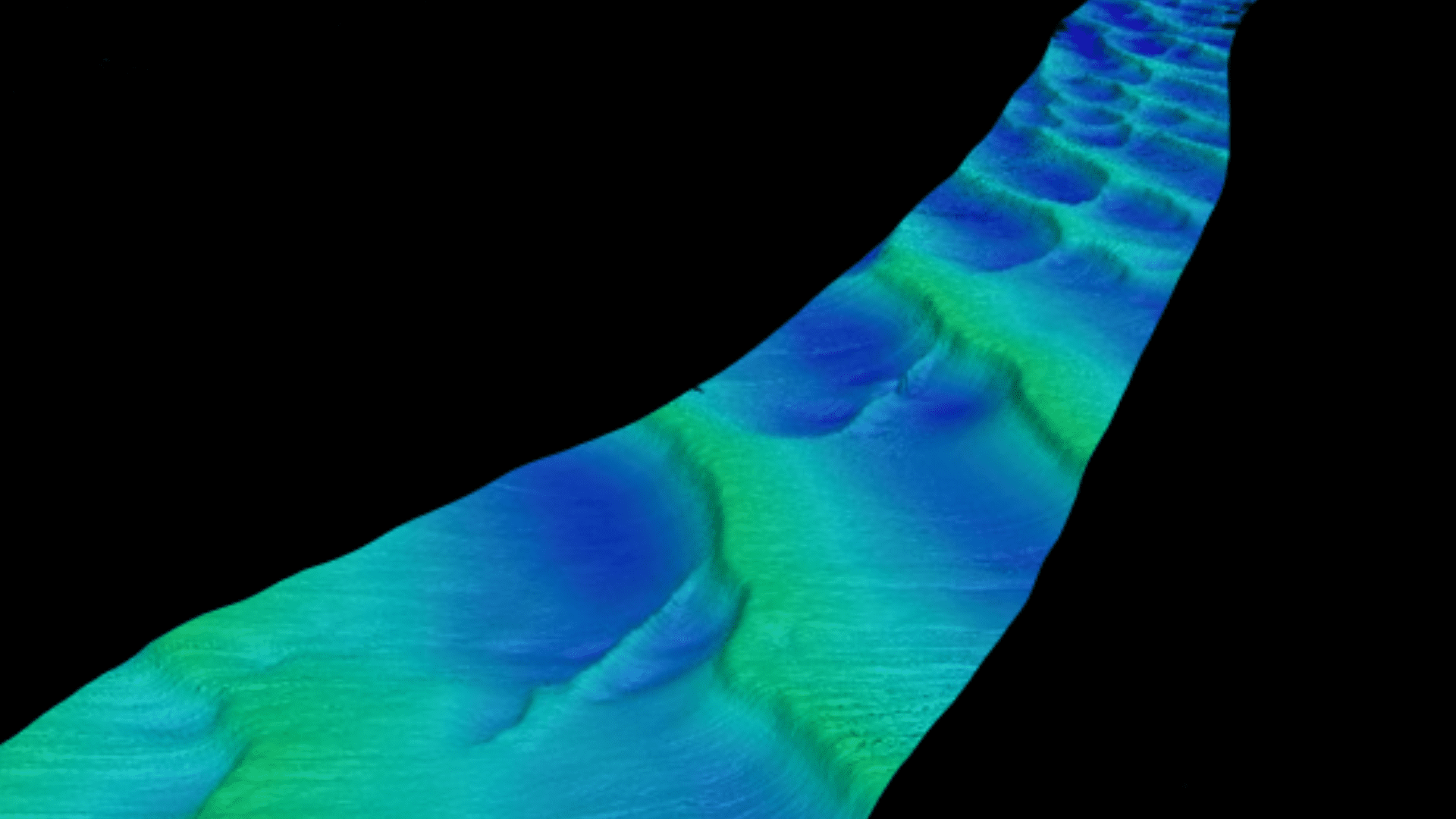
A Scour survey is performed to identify potential risk to subsea infrastructure such as turbine foundations and subsea cables due to elevated seabed mobility.

Export Cable Route Inspection

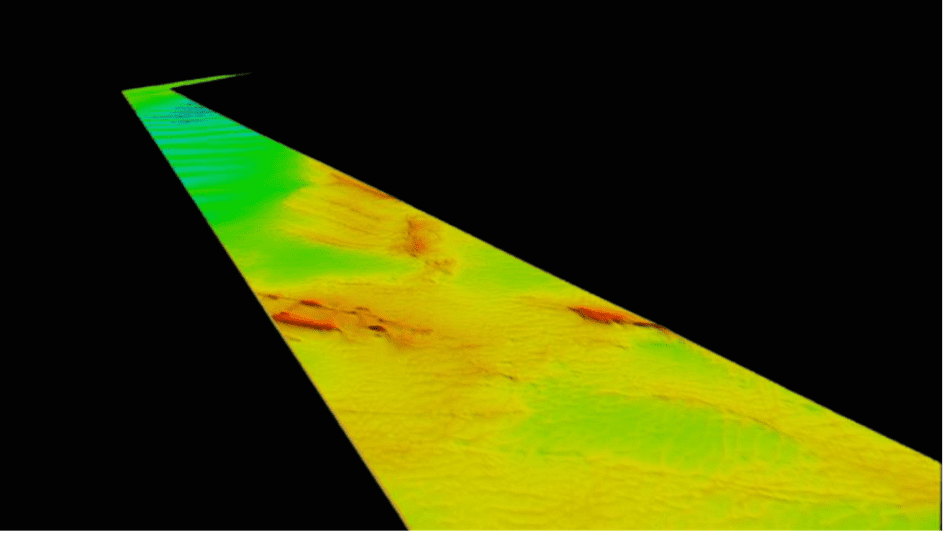
Cable exposure and depth of burial: Inspecting the routing of export cables to identify potential areas of exposure and free-span of monitoring depth of burial

Subsea Cable Developments

Accelerated geophysical surveys from landfall to deepwater corridors deliver vital seabed data to inform route planning. XOCEAN’s adaptive capabilities allow real-time route adjustments, enabling efficient and flexible offshore infrastructure development. 
Seabed Characterisation
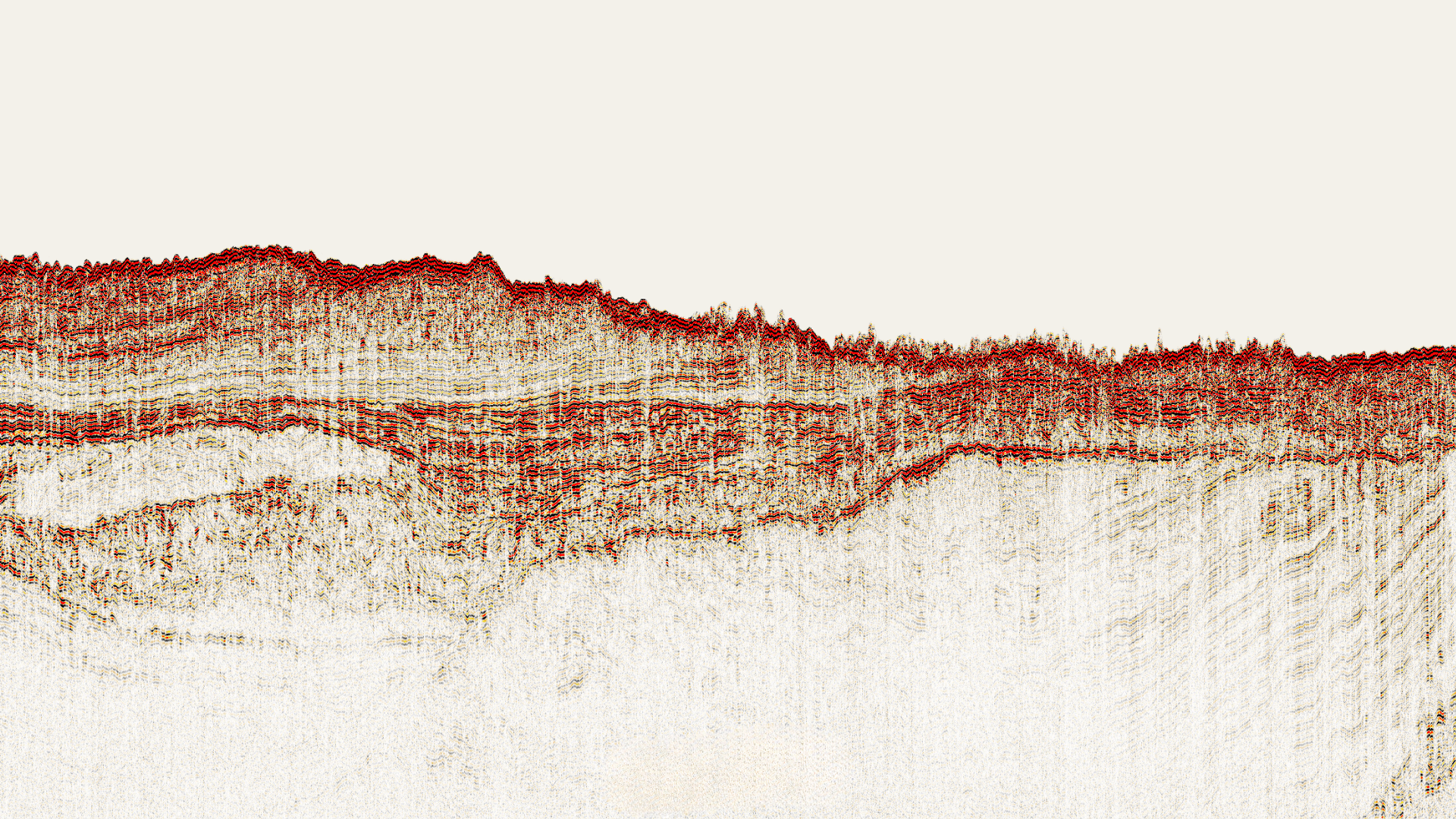
A seabed characterisation survey is performed to assess the geological and ecological conditions of the ocean floor, which are critical for safe infrastructure development.

Geo-Hazard Assessment

A geo-hazard assessment is performed to detect and evaluate geological risks, such as unstable slopes or seismic activity, that may impact construction safety.

Morphological Seabed Assessment

A morphological seabed assessment is conducted to analyse changes in seabed topography, such as sediment transport, deposition, or erosion, that may affect marine infrastructure and surrounding ecosystems.

XOCEAN’s surveys play a critical role in the operation and maintenance (O&M) of subsea cables, supporting long-term performance, safety, and reliability through precise seabed monitoring and risk identification.
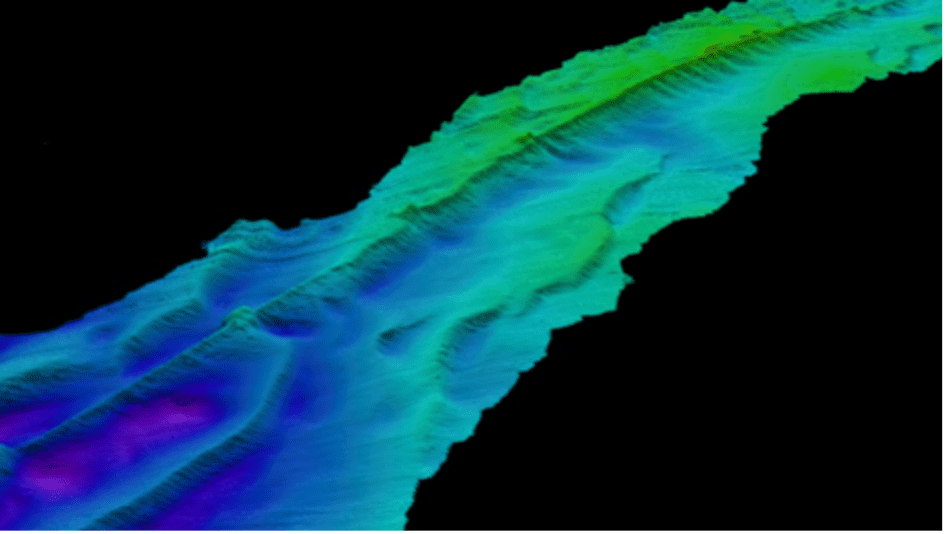
Route Inspection

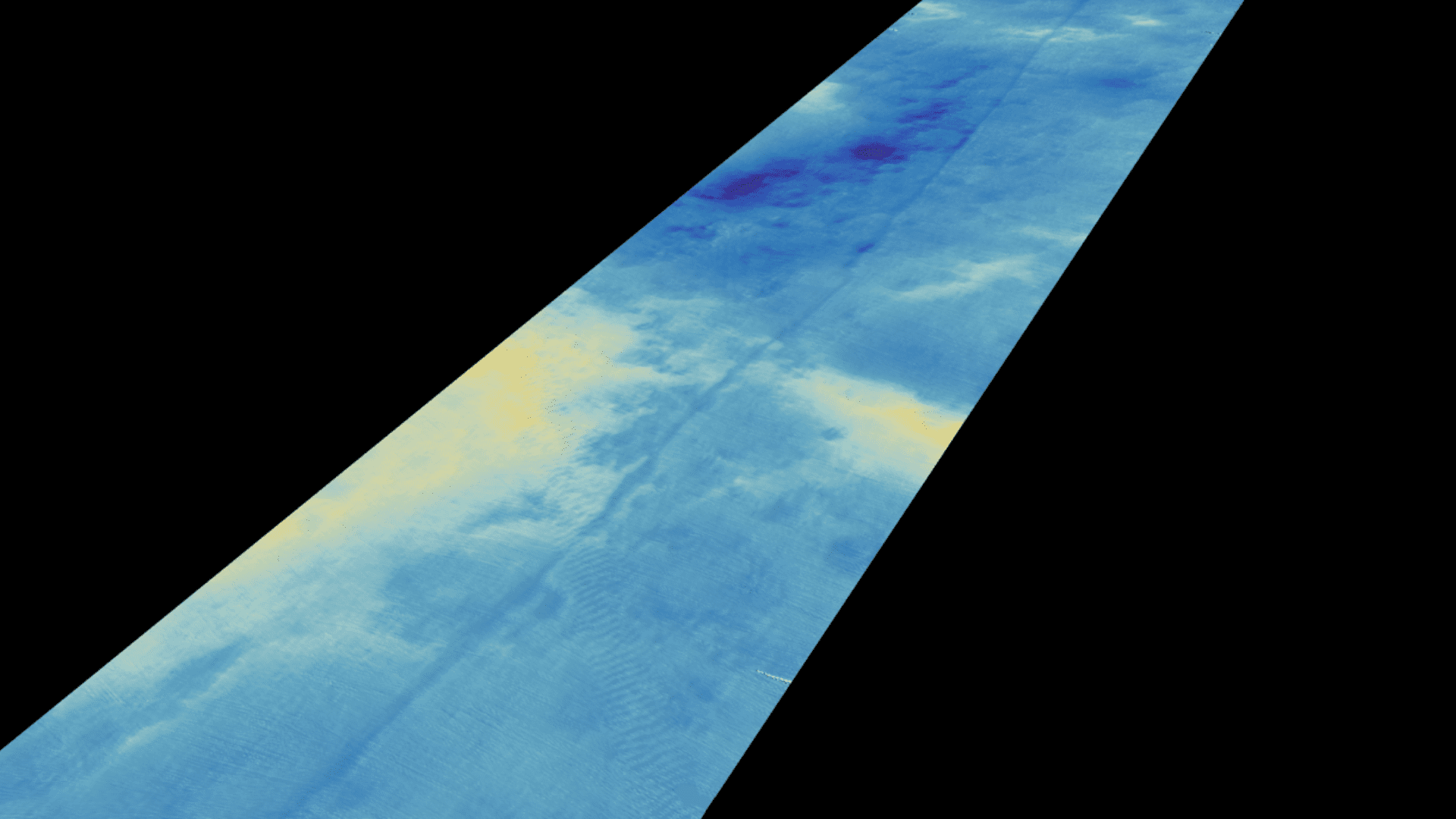
An export cable route inspection is conducted to detect areas of cable exposure and resulting free-spans, which, if left unaddressed, can compromise cable integrity and lead to failure

Civil Hydrography

Civil Hydrography plays a crucial role in advancing our knowledge of our seabed through mapping to modern standards.

Safety of Navigation

A High-resolution Bathymetric survey is performed to provide data for navigation products such as nautical charts, helping to identify potential hazards like reefs and submerged objects.

Wreck Investigation

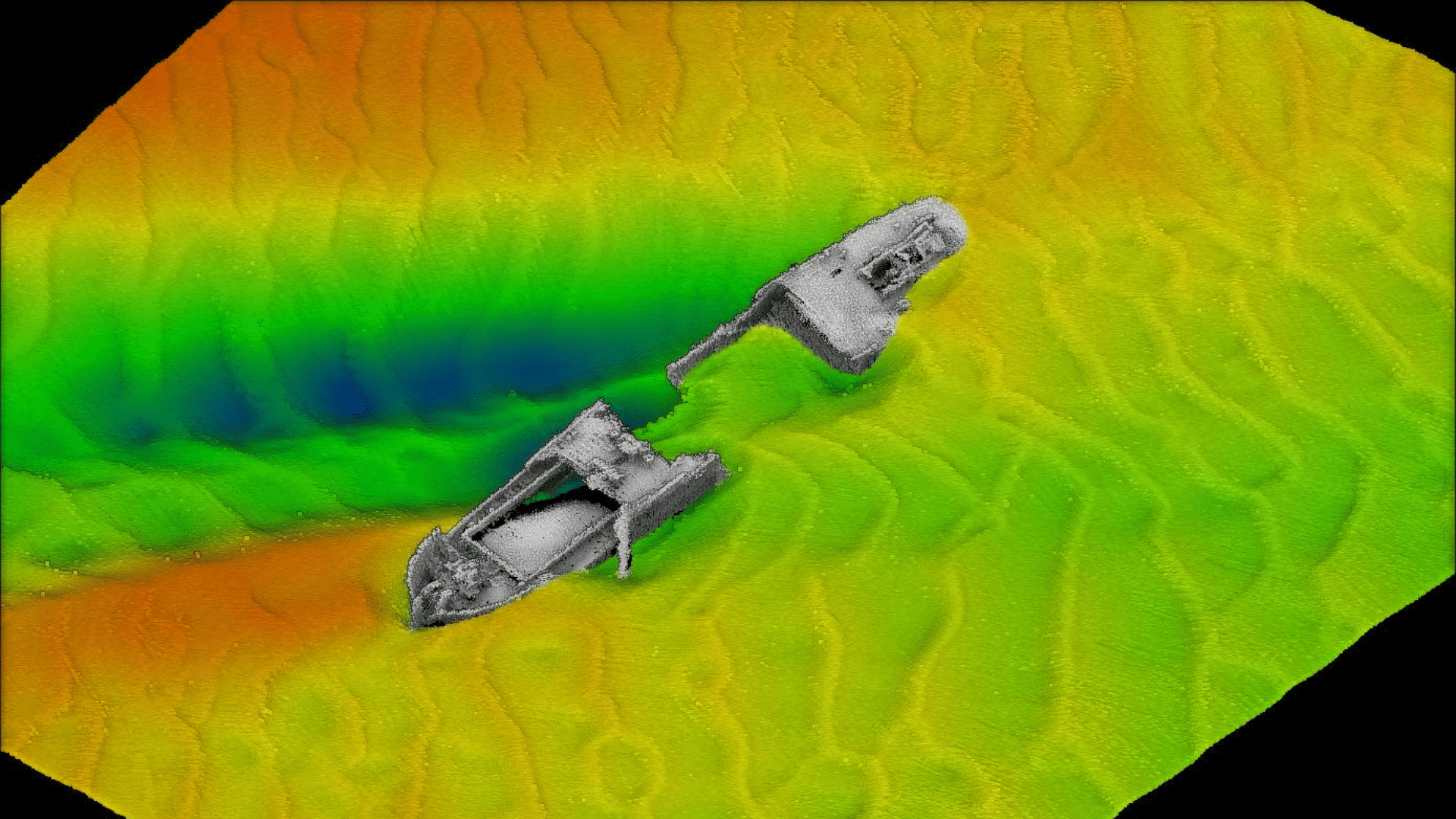
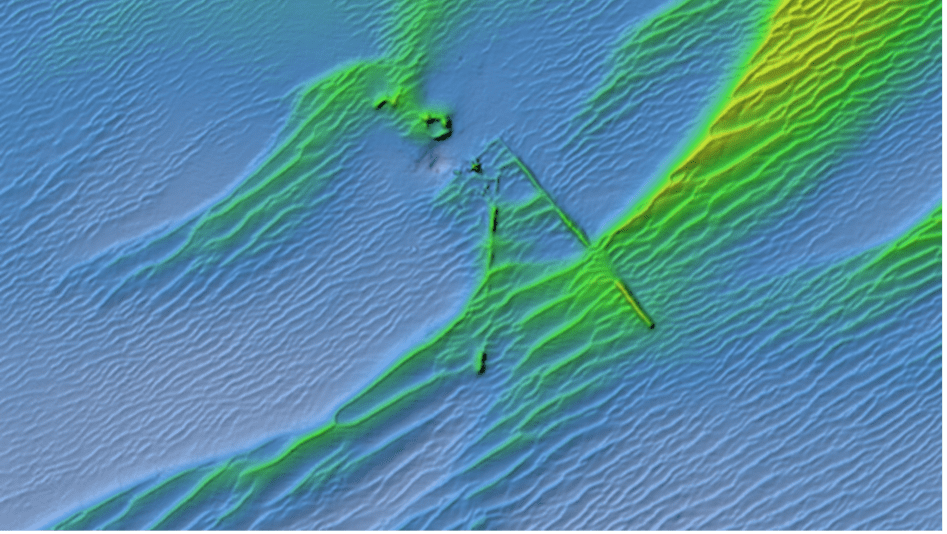
A Detailed Wreck Investigation is performed to understand the causes and consequences of maritime incidents, aiding in the recovery of any hazardous materials and preventing environmental damage.

Carbon Capture & Storage

Carbon Capture, Utilization, and Storage (CCUS) is vital process for reducing greenhouse gas emissions, helping mitigate climate change through capturing CO2 from industrial sources.

Seabed Characterisation

A Seabed Characterisation Survey is performed to assess the geological suitability and stability of potential storage sites for CO2.

Shallow Surface Geological Integrity Assessments
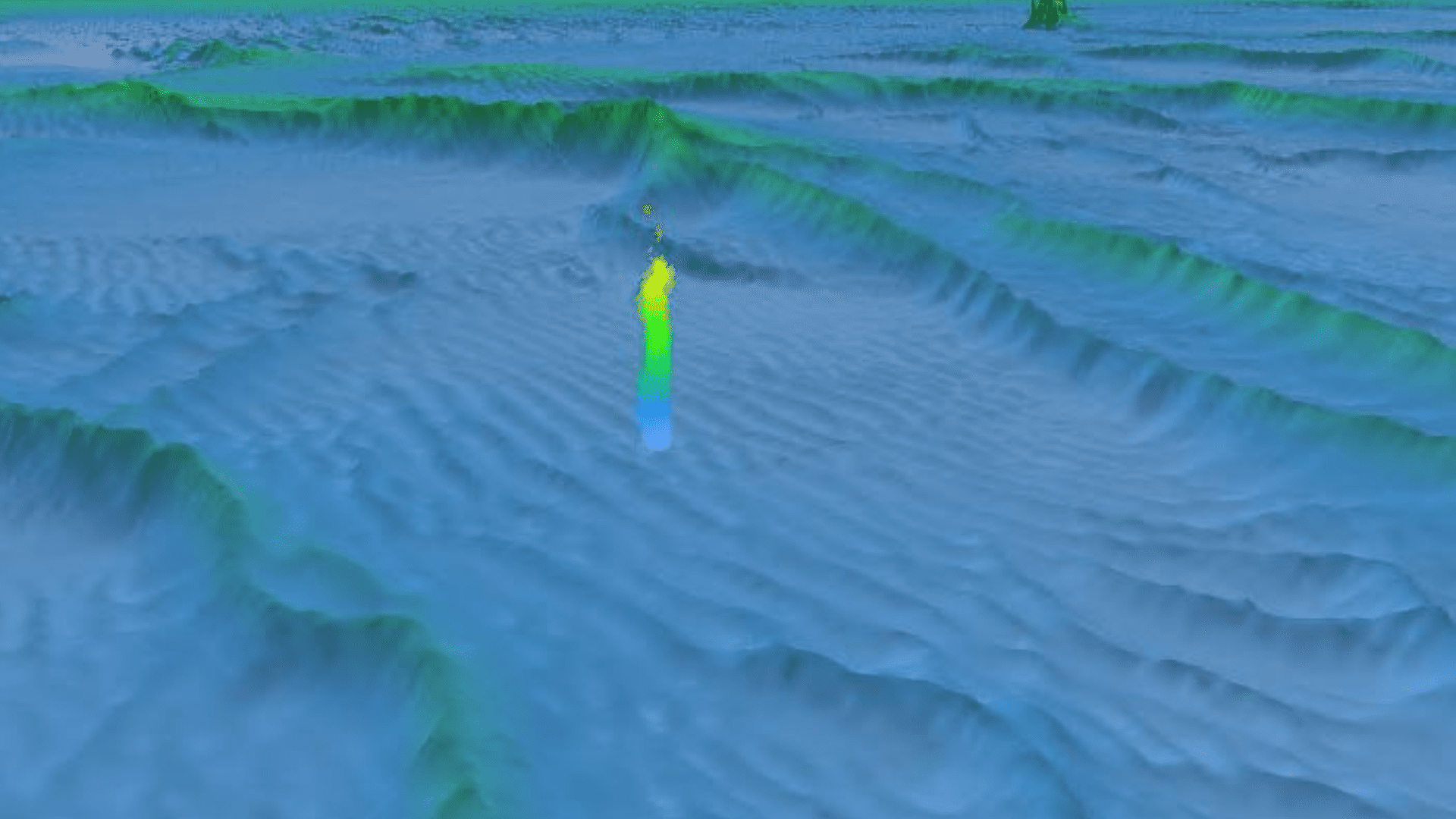
A Shallow Surface Geological Integrity Assessment is performed to evaluate the stability and containment capabilities of near-surface geological formations for CO2 storage.

Gas Migration and Seeps

A Gas Migration and Seep Survey is performed to detect near-surface gas migration and seeps occurring from the seabed.

Navigational Hazard Surveys

A Navigational Hazard Survey is performed to identify hazards such as submerged obstructions that could pose a risk to seismic survey operations.

Oil & Gas

Effective monitoring of operational and legacy oil and gas infrastructure on the seabed is crucial for identifying early signs of degradation and minimizing environmental risks

Asset Integrity Inspection

An Asset Integrity Inspection is performed to provide data on the health of subsea infrastructure, identifying potential risks to subsea infrastructure due to impacts of anchor dragging or seabed mobility.

Decommissioning Debris Clearance Survey
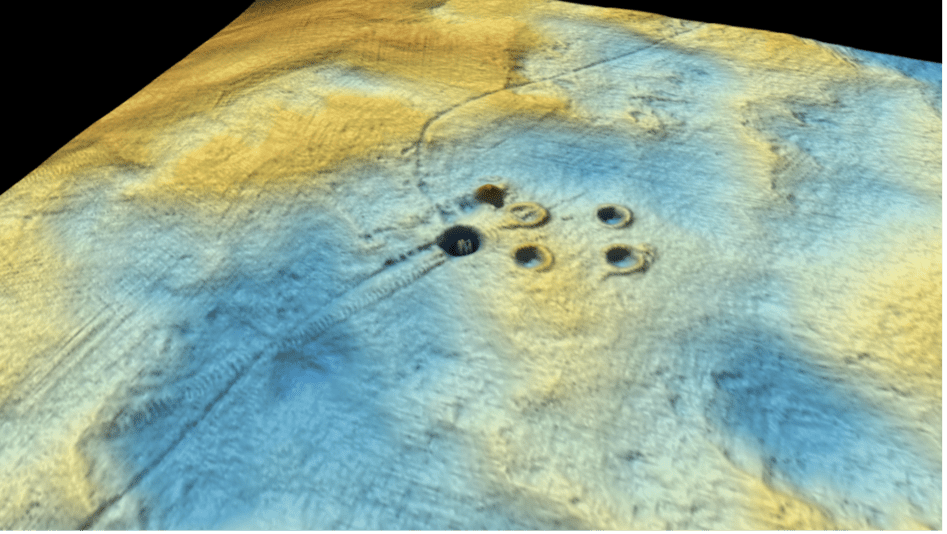
A Decommissioning Debris Clearance Survey is performed to provide locations of materials on the seafloor prior to intervention, and to confirm successful completion of remediation works post intervention.

Pre-Jack Up Debris Clearance Surveys

A Pre-Jack Up Debris Clearance survey is performed to identify potential hazards that could impede Jack-Up operations and risk subsea assets.

Scour Condition Monitoring

A Scour survey is performed to identify potential risk to subsea infrastructure due to elevated seabed mobility

Environmental Monitoring Data Harvesting

A Scour survey is performed to identify potential risk to subsea infrastructure due to elevated seabed mobility

Learn more about our
data services

Offshore Wind
Development

Client

Objective
Summary

Civil Hydrography

Client

Objective
Summary

CCUS

Client

Objective
Summary